

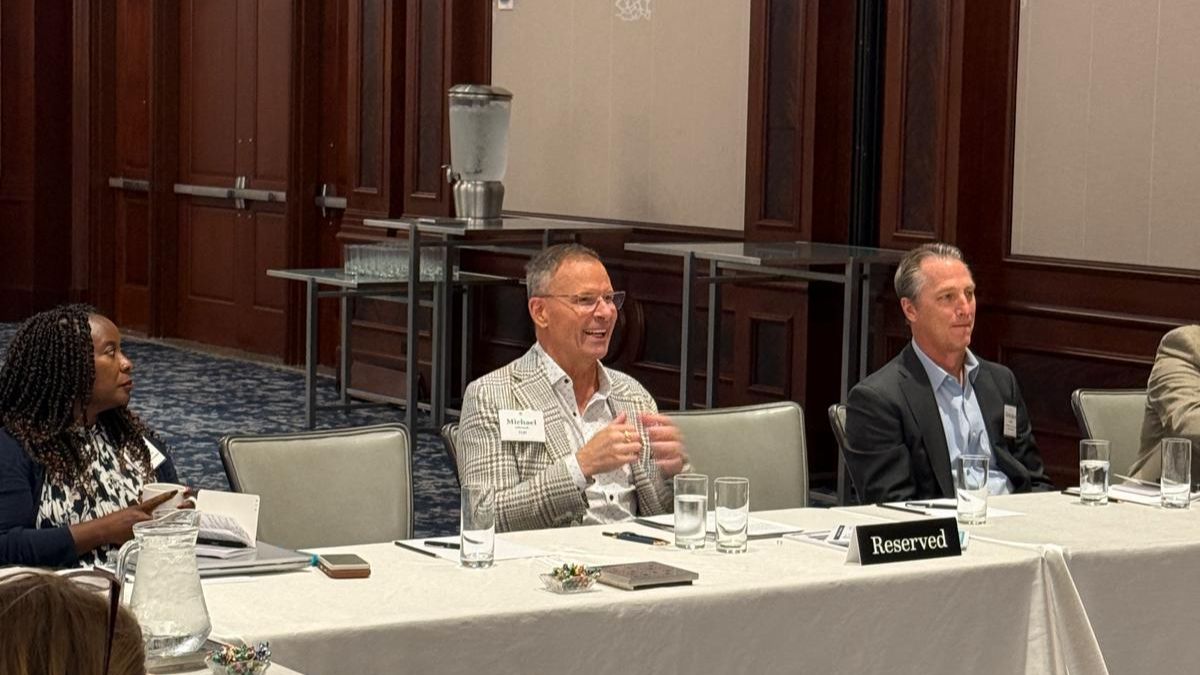
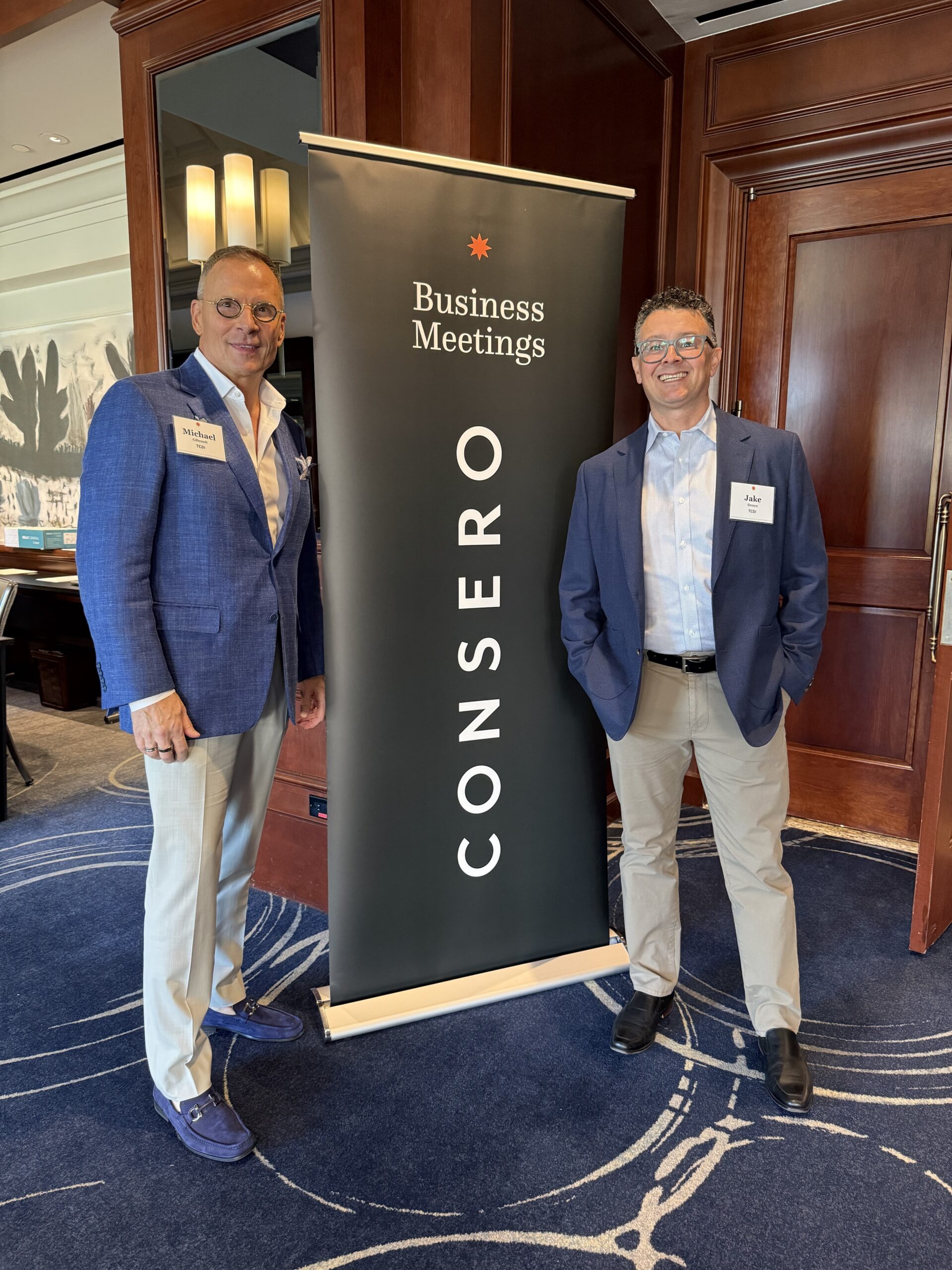
I recently attended Consero’s Corporate Litigation and Investigations Forum in Westlake Village, California. It was my first Consero event, and I went in with an open mind. I wanted to better understand the current business needs of corporate legal teams handling litigation and investigations, especially what matters most when they turn to outside support.
The sessions and conversations gave me plenty to think about, from managing high-conflict matters to protecting trade secrets and coordinating investigations with litigation. Across those discussions, a recurring theme was how legal teams balance complex risks with the practical demands of getting the work done.
Sessions That Stayed with Me
Several sessions stood out. “Litigation Gets Personal” examined the growing challenges around high-conflict matters. One discussion explored how wider access to AI tools may be contributing to more people representing themselves in legal disputes. I also found the conversation about maintaining composure useful. These cases can become personal and emotionally charged, so attorneys need to manage them strategically inside the organisation as well as in court or in communications with the opposing party.
The session on trade secret protection was also timely. Employee mobility continues to increase, while rules governing non-compete agreements vary from state to state. As a result, companies are relying more heavily on trade secret protections. That creates practical questions about how organisations protect sensitive information, respond to employee departures, and investigate possible data movement without overreacting.
A third session focused on the relationship between internal investigations and litigation. An internal investigation may begin because litigation is pending or threatened, which means the two efforts can quickly overlap. Legal teams have to develop the facts while also protecting privilege, considering regulatory exposure, and making litigation decisions. The session was a good reminder that these matters rarely move in a straight line. Each decision can affect the other track, so the people involved need to coordinate closely and keep reassessing the risks.
What Corporate Legal Teams Need
The business meetings and informal conversations gave me a clearer picture of what corporate legal teams want from outside providers. Predictable costs matter. Responsiveness matters. Technology matters, too, but only when it supports the work and makes the legal team’s job easier.
AI was part of many conversations. It is already being integrated into litigation and investigation work, particularly in eDiscovery and document review. The important question is becoming less about whether AI will be used and more about where it can improve the process while maintaining appropriate oversight. Legal teams want to stay ahead of the curve, but they also need tools that address real needs and fit into the way their departments operate.
Those discussions also reinforced needs that CVUnity is designed to address. The need for better visibility into matters and more useful reporting is growing, and a clearer way to manage information will help integrate work across the legal department. The right starting point is listening to what the team is trying to solve.
A Format Built for Real Conversations
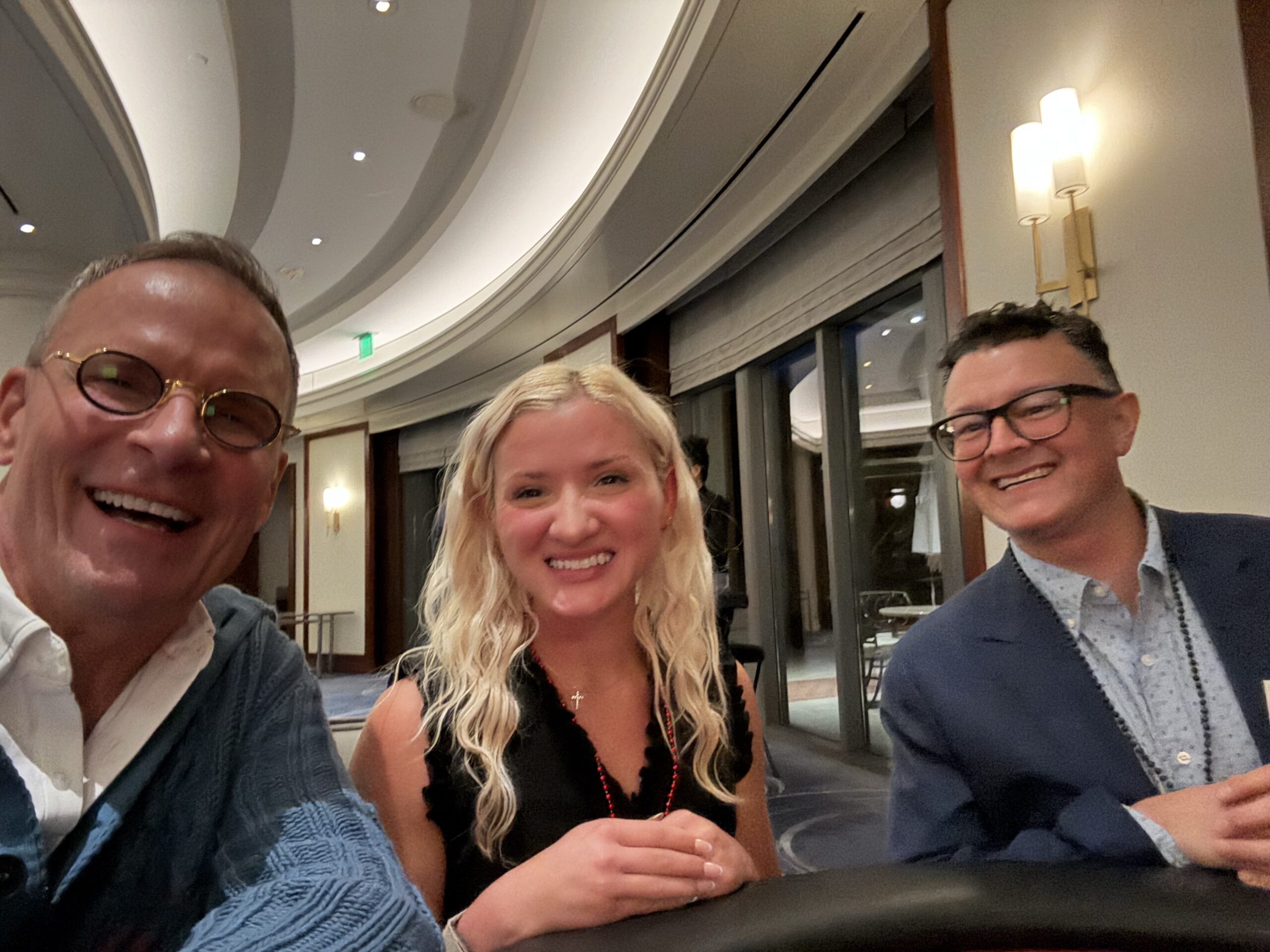
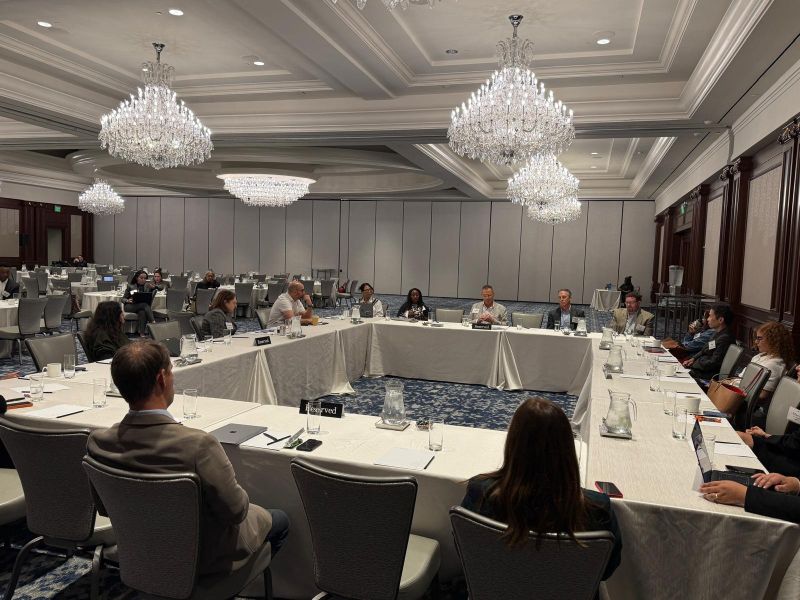
The event was small, with roughly 75 people, and that size made a real difference. Instead of meeting someone once and hoping to reconnect later, I often had several conversations with the same people over the course of the event. The attendees were highly accomplished business leaders and decision-makers, but the atmosphere remained cordial and approachable.
Along with the panel sessions, attendees selected service providers they wanted to meet based on their current or upcoming needs. Those meetings were scheduled in 25-minute blocks.
For me, those meetings were the highlight of the conference. Twenty-five minutes was enough time to get beyond a quick introduction and have a useful conversation, while the defined schedule kept each discussion focused. The goal wasn’t to force a complete solution into one meeting. It was to understand what they were dealing with, what they expected from outside support, and whether it made sense to continue the conversation afterwards.
The panel sessions followed the same practical approach. They were small enough to allow questions and audience participation, which made them more useful than a one-way presentation. Meals and receptions created additional opportunities to continue those discussions. The casino night was especially enjoyable because it gave everyone a casual and fun way to interact. It was easy to start a conversation, and people seemed genuinely open to meeting one another.
A Conference I Would Attend Again
I would absolutely attend another Consero event. I left with a better understanding of the issues corporate legal teams are facing and several new relationships I look forward to developing. The opportunity to hear those challenges discussed in sessions and then explore them in individual conversations made the experience especially useful. For a first Consero experience, it set a very high bar.

Jake Brown
Author
Share article:
Jake is an experienced business development leader with deep experience in digital forensics, electronic discovery, managed document review, and technology-enabled investigations. He has also been recognized for a consultative, client-centered approach that helps law firms and corporate legal teams navigate complex matters with greater clarity, efficiency, and confidence.